
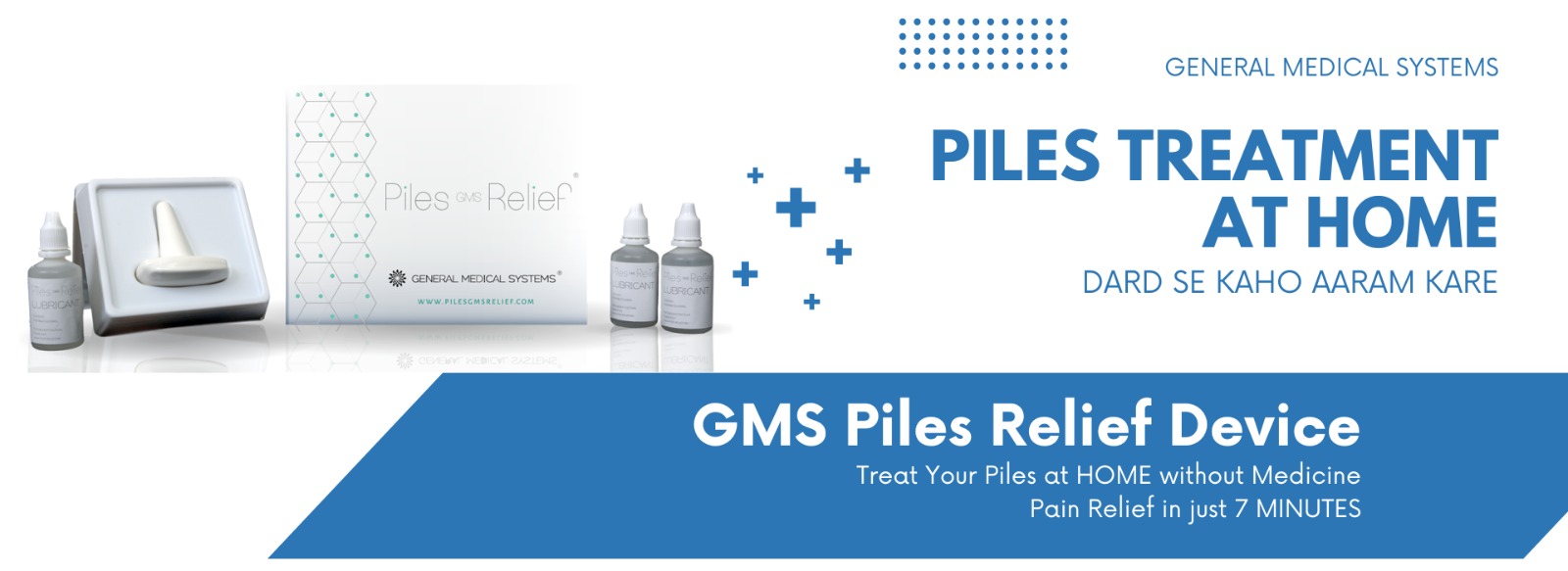
Pregnancy Piles Treatment at Home Without Surgery | GMS Piles Relief Device
Pregnancy is a special time in a woman’s life, but it also brings many physical and hormonal changes. One of the common concerns experienced by pregnant women is piles, also known as hemorrhoids. Many women develop piles during pregnancy due to increased pressure on the pelvic region, constipation, and hormonal changes.
Although piles during pregnancy can be uncomfortable, many women are able to manage symptoms with lifestyle changes and supportive home care measures. Surgery is usually not considered unless symptoms are severe or persistent. Therefore, maintaining healthy bowel habits and following proper self-care practices become important aspects of overall comfort.
General Medical Systems offers the GMS Piles Relief Device, designed to support home-based care and help individuals maintain daily comfort as part of a healthy lifestyle routine.
What Are Piles During Pregnancy?
Piles are swollen veins located inside or around the anus and rectum. During pregnancy, the growing uterus places additional pressure on these veins, which may contribute to swelling and discomfort.
Piles can occur during any stage of pregnancy, but they are more commonly noticed during the third trimester when the baby’s weight increases and pressure on the pelvic area becomes greater.
Many women may also experience piles after childbirth because of straining during labor.
Why Are Piles Common During Pregnancy?
Several factors contribute to the development of piles during pregnancy.
Increased Pressure on Pelvic Veins
As the uterus grows, it puts pressure on the veins around the rectum, which can contribute to hemorrhoid formation.
Hormonal Changes
Pregnancy hormones may slow digestion and contribute to constipation, which increases the likelihood of piles.
Constipation
Constipation is very common during pregnancy. Passing hard stools and excessive straining may aggravate piles.
Reduced Physical Activity
Many pregnant women become less active during later stages of pregnancy, which may affect bowel regularity.
Increased Blood Volume
Pregnancy increases blood circulation throughout the body, which may cause veins to enlarge and become more susceptible to swelling.
Common Symptoms of Pregnancy Piles
Symptoms vary from person to person.
Pain During Bowel Movements
Some women experience discomfort while passing stools.
Itching Around the Anal Area
Irritation and itching are common complaints.
Swelling
Small lumps or swelling around the anus may develop.
Bleeding
Fresh blood may occasionally be noticed during bowel movements.
Burning Sensation
A feeling of irritation or burning may occur.
Discomfort While Sitting
Prolonged sitting may increase pressure and cause discomfort.
Risk Factors for Pregnancy Piles
The following factors may increase the risk:
- Chronic constipation.
- Low-fiber diet.
- Inadequate water intake.
- Sedentary lifestyle.
- Family history of hemorrhoids.
- Multiple pregnancies.
- Excessive straining during bowel movements.
Home Care Measures for Pregnancy Piles
Proper self-care and healthy habits can help support comfort.
Increase Fiber Intake
Fiber helps maintain regular bowel movements and may reduce straining.
Foods rich in fiber include:
- Apples
- Bananas
- Papaya
- Pears
- Whole grains
- Oats
- Green vegetables
- Lentils
Drink Plenty of Water
Adequate hydration supports healthy digestion and bowel regularity.
Avoid Prolonged Sitting
Sitting for long periods may increase pressure on the rectal veins.
Stay Physically Active
Gentle walking and pregnancy-approved exercises may support circulation and digestive health.
Respond Promptly to the Urge to Pass Stool
Delaying bowel movements can contribute to constipation and discomfort.
Maintain Proper Hygiene
Keeping the affected area clean and dry can help support daily comfort.
Pregnancy Constipation and Piles
Constipation and piles often occur together during pregnancy.
Hard stools may increase pressure on the anal veins and contribute to irritation. Therefore, maintaining bowel regularity becomes an important aspect of home care.
Healthy habits that may support digestive wellness include:
- Eating fiber-rich meals.
- Drinking enough water.
- Staying physically active.
- Maintaining regular meal schedules.
- Managing stress effectively.
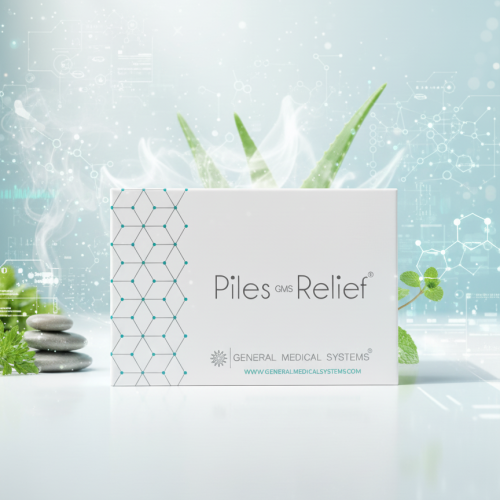
Understanding the GMS Piles Relief Device
General Medical Systems offers the GMS Piles Relief Device, developed for convenient home-based use.
The device is designed to be incorporated into a wellness routine aimed at maintaining daily comfort and supporting individuals experiencing discomfort associated with piles.
Features of the GMS Piles Relief Device
- Easy home use.
- Non-surgical approach.
- Convenient daily routine.
- Designed for comfort.
- Suitable for use as part of healthy lifestyle practices.
- Helps support overall anorectal wellness.
Benefits of Home-Based Care
Many individuals prefer home care approaches because they offer:
- Convenience.
- Privacy.
- Daily comfort support.
- Reduced disruption to routine.
- Easy integration with lifestyle changes.
Healthy Lifestyle Tips During Pregnancy
Eat Small Frequent Meals
Smaller meals may help support healthy digestion.
Include Fruits and Vegetables Daily
Fresh produce provides fiber and essential nutrients.
Walk Regularly
Gentle walking supports circulation and bowel movement regularity.
Sleep Adequately
Proper sleep contributes to overall wellness.
Avoid Excess Processed Foods
Balanced nutrition supports digestive health.
Follow Your Doctor’s Advice
Prenatal care remains an important aspect of maintaining maternal health.
Foods That Support Digestive Health
Fruits
- Apples
- Pears
- Papaya
- Oranges
- Bananas
Vegetables
- Spinach
- Carrots
- Broccoli
- Cabbage
Whole Grains
- Oats
- Brown rice
- Whole wheat
Fluids
- Water
- Soups
- Fresh juices
Foods to Limit
Some individuals may choose to reduce:
- Excess spicy foods.
- Fried foods.
- Processed snacks.
- Carbonated beverages.
- Excess caffeine.
Why Choose General Medical Systems?
General Medical Systems focuses on providing convenient home-based wellness solutions.
GMS Piles Relief Device
Key Features
✔ Easy to use
✔ Non-surgical approach
✔ Suitable for home use
✔ Comfortable daily routine
✔ Designed for convenience
✔ Supports overall wellness
Frequently Asked Questions
Are piles common during pregnancy?
Yes. Pregnancy-related hormonal changes and increased pressure on the pelvic area make hemorrhoids relatively common.
Can constipation contribute to piles?
Constipation and excessive straining may increase pressure on the rectal veins and contribute to discomfort.
Can healthy eating habits help support digestive wellness?
Fiber-rich foods and adequate hydration are important aspects of digestive health.
What product does General Medical Systems offer?
General Medical Systems offers the GMS Piles Relief Device, designed for convenient home-based use.
Is surgery always necessary for pregnancy piles?
Many women manage symptoms with healthy lifestyle practices and supportive measures. Individual treatment decisions should always be made in consultation with a qualified healthcare professional.
Daily Habits for Maintaining Comfort
- Drink sufficient water daily.
- Eat fiber-rich foods.
- Avoid prolonged sitting.
- Exercise regularly as advised by your healthcare provider.
- Maintain healthy bowel habits.
- Get adequate rest.
- Follow a balanced diet.
Conclusion
Piles during pregnancy are a common concern affecting many women. Hormonal changes, constipation, and increased pressure on the pelvic veins can contribute to discomfort. Maintaining healthy bowel habits, eating a balanced diet, drinking enough water, and staying physically active are important aspects of home-based care.
General Medical Systems provides the GMS Piles Relief Device, which is designed to support comfort and convenient home-based wellness routines. Combined with healthy lifestyle practices and proper prenatal care, these measures can help women maintain digestive wellness and daily comfort throughout pregnancy.